
Introduction:
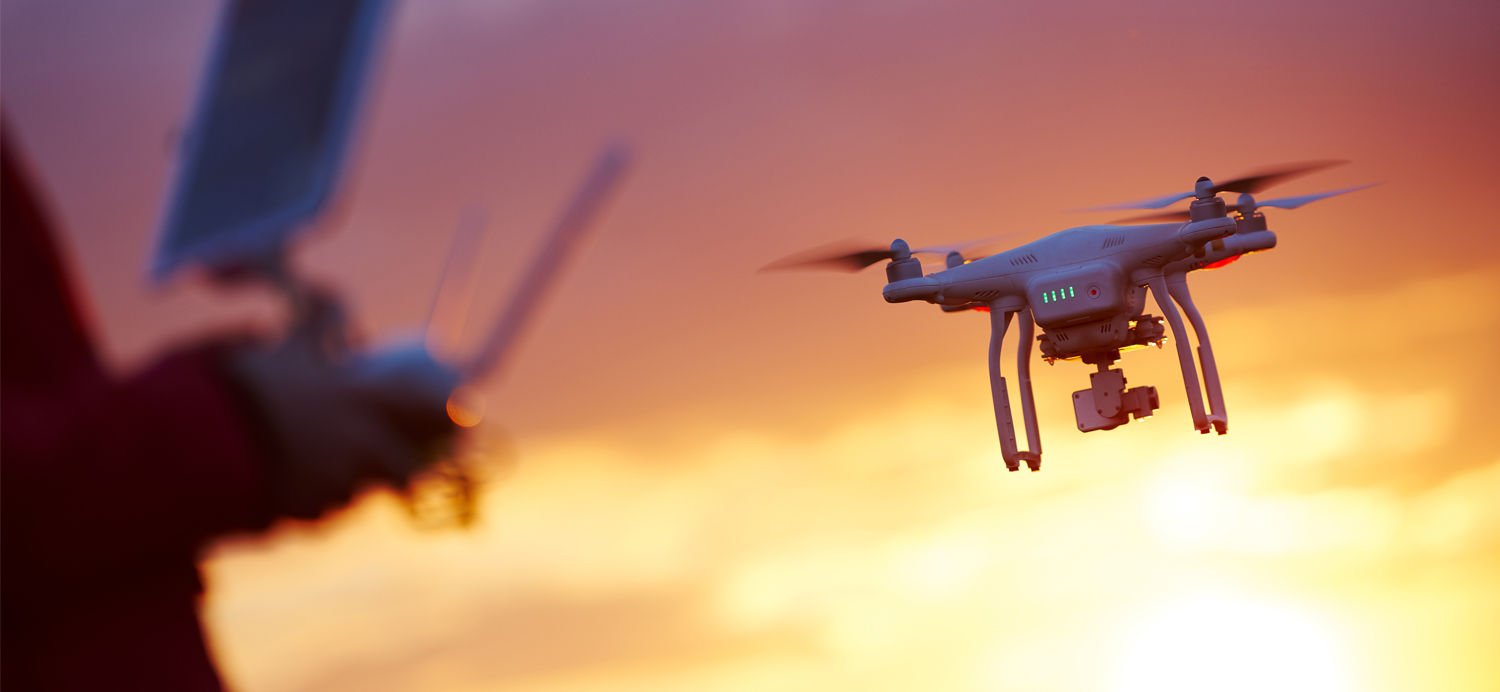
In recent years, unmanned aerial vehicles (UAVs), or drones, have gained immense popularity in various industries. However, drones can also serve as valuable tools in the field of penetration testing, helping security professionals identify vulnerabilities and strengthen defenses. In this technical blog, we delve deep into the world of using drones as pen testing tools. We will explore the software, tools, techniques, commands, and hardware required to effectively leverage drones for comprehensive security assessments.
1. Drone Hardware Requirements:
To transform a drone into a potent pen testing tool, certain hardware components are essential:
a) Drone Platform: Choose a drone with stability, maneuverability, and payload capacity suitable for carrying additional equipment.
b) Flight Controller: Utilize a reliable flight controller to maintain control and stability during the pen testing operations.
c) Payload Mounting: Equip the drone with a payload bay or custom frame to accommodate the necessary pen testing tools and equipment.
d) Extended Battery Life: Optimize the drone's power supply by integrating high-capacity batteries or external power sources to extend flight time.
2. Software and Tools:
The software and tools employed in drone-based penetration testing vary depending on the specific objectives. Here are some commonly used software and tools:
a) Kali Linux: A versatile penetration testing platform that includes numerous tools for network scanning, vulnerability assessment, and exploitation.
b) Nmap: A powerful network scanning tool used for host discovery, port scanning, service enumeration, and OS fingerprinting.
c) Metasploit Framework: A comprehensive penetration testing tool that facilitates vulnerability scanning, exploit development, and post-exploitation activities.
d) Wireshark: A network protocol analyzer employed to capture and analyze network traffic, facilitating the identification of vulnerabilities and security loopholes.
e) Aircrack-ng: A toolset for assessing wireless network security, including capturing packets, cracking encryption keys, and performing deauthentication attacks.
f) Burp Suite: A web application security testing platform with a wide range of tools for vulnerability scanning, intercepting and modifying HTTP requests, and more.
g) SQLMap: A specialized tool for automated SQL injection and database exploitation, useful for identifying and exploiting SQL vulnerabilities.
h) Social Engineering Toolkit (SET): A framework designed for simulating and executing social engineering attacks to test human vulnerabilities.
i) Hardware Implants: Utilize physical hacking tools, such as USB Rubber Ducky or Wi-Fi Pineapple, to exploit physical access points or launch wireless attacks.
3. Techniques and Commands:
Mastering the techniques and commands specific to drone-based penetration testing is crucial for successful assessments. Here are some common techniques:
a) Wireless Network Assessment: Utilize tools like Nmap, Aircrack-ng, and Wireshark to assess wireless networks, identify vulnerabilities, and perform penetration testing on Wi-Fi networks.
b) Web Application Testing: Employ tools like Burp Suite, SQLMap, and manual testing techniques to identify web application vulnerabilities, such as cross-site scripting (XSS) or SQL injection.
c) Social Engineering: Utilize the Social Engineering Toolkit (SET) to simulate phishing attacks, gather information, and exploit human vulnerabilities to gain unauthorized access.
d) Physical Access Exploitation: Utilize hardware implants or tools like USB Rubber Ducky to exploit physical access points, gain control, and extract sensitive information.
4. Mitigation Measures:
While using drones as pen testing tools, it is vital to adhere to ethical guidelines and take necessary precautions. Here are some mitigation measures to consider:
a) Authorization and Consent: Obtain proper authorization and written consent from relevant stakeholders before conducting drone-based penetration testing activities.
b) Legal Compliance: Familiarize yourself with local laws, regulations, and guidelines related to drone usage and penetration testing activities, ensuring full compliance.
c) Data Protection: Safeguard any sensitive data collected during the penetration testing activities, ensuring encryption, secure storage, and proper data handling.
d) Responsible Disclosure: Follow ethical practices by reporting identified vulnerabilities to the relevant parties and assisting in their mitigation, rather than exploiting them for malicious purposes.
e) Flight Safety: Prioritize flight safety by adhering to aviation regulations, avoiding restricted areas, and conducting risk assessments before each flight.
f) Incident Response Plan: Develop an incident response plan to address any unforeseen circumstances, including drone malfunctions, accidents, or unauthorized access.
g) Continuous Learning and Collaboration: Stay updated with the latest security trends, technologies, and techniques through continuous learning, collaboration with peers, and participation in the security community.
Conclusion:
Drones have emerged as valuable tools in the field of penetration testing, enabling security professionals to conduct comprehensive assessments and identify vulnerabilities that traditional methods may overlook. This technical blog has explored the software, tools, techniques, commands, and hardware required to leverage drones as pen testing tools effectively. However, it is crucial to operate within legal and ethical boundaries, obtaining proper authorization, and ensuring data protection throughout the process. By embracing responsible practices, security professionals can harness the power of drones to strengthen defenses, enhance security postures, and safeguard organizations from emerging threats.

n600d



No comments:
Post a Comment